Future Trends in Custom Website Design for Small Businesses

In today’s fast-changing online world, having a custom website is more crucial than ever for small businesses. It’s not just about standing out; it’s about making sure your site works just right for your customers. With 2024 promising exciting changes, it’s time to focus on trends that can really boost your digital presence. Think AI-driven personalization, voice user interfaces, and immersive AR experiences. These innovations aren’t just fancy upgrades—they could redefine how you engage with your audience. Let’s explore how these trends are set to impact custom website design and what small business owners can do to stay ahead.
The Rise of AI in Web Design
In 2024, AI continues to revolutionize web design, enabling businesses to cater to user preferences like never before. From enhancing user experiences to streamlining design processes, artificial intelligence is rapidly becoming an indispensable tool in the digital arsenal. Small business owners, you’re not just evolving with technology; you’re reshaping how your customers experience the web.
AI-Powered Personalization
AI is the key to unlocking personalized user experiences. Imagine a storefront that rearranges its layout each time a customer enters, based on their past behavior. That’s what AI does for websites. By analyzing user behavior, AI can suggest content, adjust layouts, and even tweak design elements to fit individual needs. Your website could show products a user is likely to purchase based on their browsing history. It’s like having a personal shopper for every visitor.
Design Automation
Web design can be time-consuming, but AI-powered tools are here to save the day. Tools like Wix’s ADI (Artificial Design Intelligence) or Adobe’s Sensei utilize AI to automate the design process. These platforms analyze user data and preferences to create websites that are not just visually appealing but also functional. With AI’s help, you can get a ready-to-go web design in hours, not weeks, freeing up resources for more critical aspects of your business.
Chatbots and Virtual Assistants
Forget waiting on hold. Today’s chatbots and virtual assistants are revolutionizing customer service. They’re not just answering questions; they’re engaging users, learning from interactions, and predicting needs. Companies like Zendesk and Intercom are at the forefront, integrating AI chatbots to handle customer queries efficiently. Imagine a virtual assistant on your site that knows your products inside out, can make recommendations, and guide users to faster resolutions. It’s like having an employee who works 24/7 without a break.
Artificial intelligence in web design isn’t just a futuristic idea. It’s the present, shaping how websites are built, experienced, and improved. For small business owners, adopting these technologies not only positions you as a leader but can also create more engaging and satisfying experiences for your customers.
User Experience (UX) Focus
In the evolving landscape of website design, user experience stands as a critical factor influencing success. A seamless user experience nurtures long-term customer relationships and amplifies engagement, making your website more than just a digital space—it becomes a valuable journey for your users. As we explore the future trends in custom website design, focusing on UX will undoubtedly be a game-changer.
Intuitive Navigation
Simplified and intuitive navigation is like the backbone of a stellar user experience. It’s the map that guides users through your digital world, ensuring they find what they need without frustration. How often have you left a site because you couldn’t easily find what you were looking for? When navigation is clear and intuitive, users can smoothly glide through your site, leading to better engagement and higher conversion rates.
- Clear Labels: Use simple, descriptive labels for your menu items.
- Consistent Placement: Keep navigation menus consistent across all pages.
- Logical Structure: Categorize content logically to enhance discoverability.
Ensuring your site’s navigation is intuitive is akin to providing an open highway rather than a confusing maze—your users will thank you for it.
Responsive Design
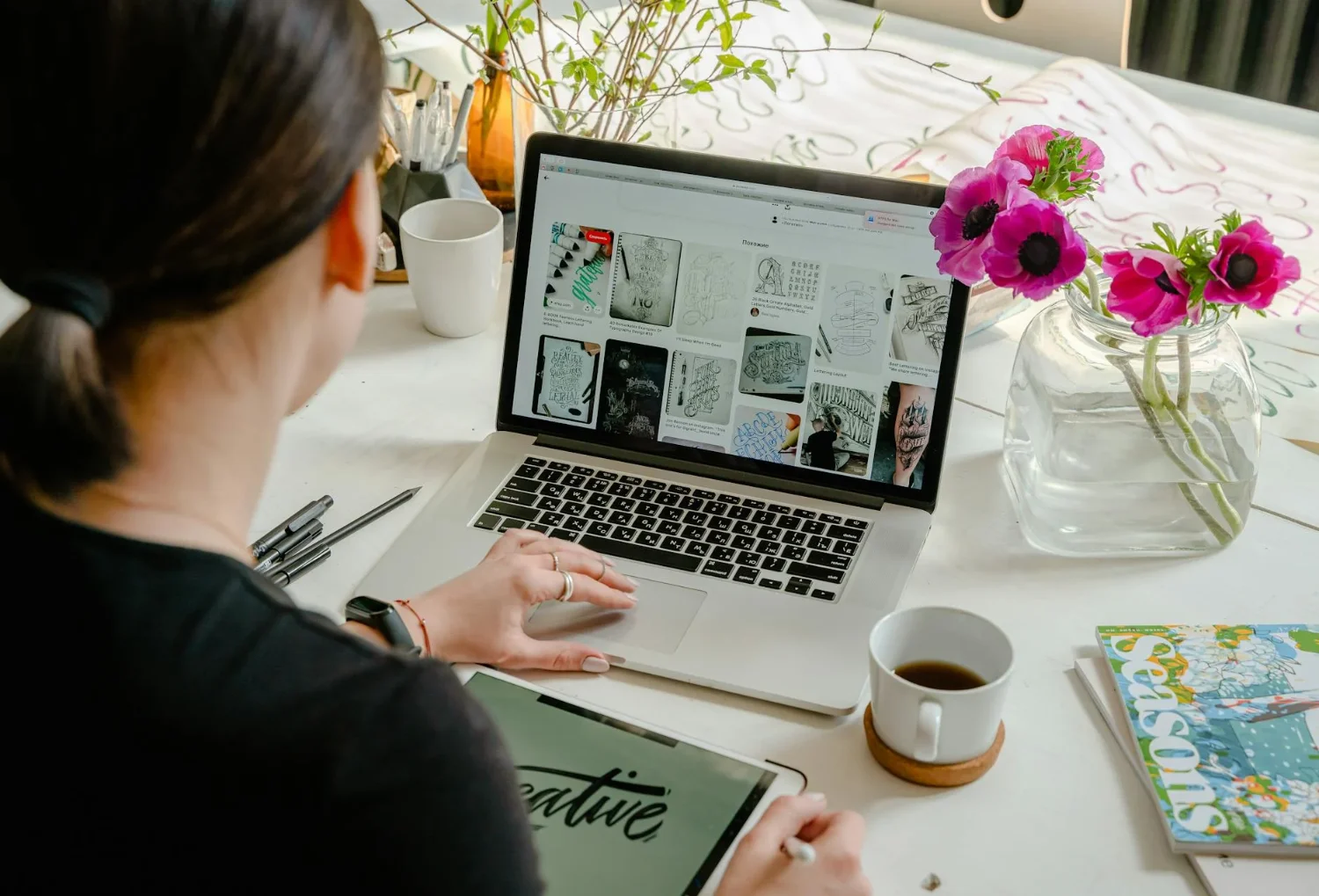
With mobile devices accounting for a significant portion of web traffic, responsive design isn’t a luxury; it’s a necessity. A responsive site adapts to different screen sizes and resolutions, ensuring a seamless experience whether users are on desktop, tablet, or smartphone. Imagine delivering a consistent look and feel across multiple devices—this not only meets user expectations but also boosts your SEO ranking.
- Flexible Grids: Implement fluid grid layouts that adjust to various screen sizes.
- Adaptive Images: Use responsive images that scale to fit any device.
- Touch-Friendly: Design for touch interactions, essential for mobile users.
Commit to responsiveness, and watch how it transforms your user interactions.
Micro-Interactions
Small design elements, or micro-interactions, can have a massive impact on user engagement. These tiny animations or visual cues guide, reward, and entertain users as they interact with your site. Think of them as the charming smiles and nods you receive during a pleasant conversation.
- Feedback: Provide immediate feedback when a user completes an action, like ‘liking’ a post.
- Guidance: Use micro-interactions to guide users subtly through processes.
- Delight: Adding whimsy, such as tiny animations, can make the experience memorable.
When thoughtfully implemented, micro-interactions do more than just function—they engage, inform, and create a delightful user experience.
The Power of Dynamic and Kinetic Typography
Typography isn’t just about picking a pretty font—it’s an art form that can captivate and engage your audience, turning a simple web page into a visual symphony. In 2024, dynamic and kinetic typography are leading the charge as powerful tools in custom website design. They blend aesthetics with functionality, transforming how text is perceived and interacted with online.
The Trend Towards Bold Typography
The days of subtle and understated fonts are numbered, giving way to a trend embracing bolder font choices. Why? Because bold typography does more than just stand out; it commands attention and enhances readability. Think about it as a megaphone for your message—clear, unmissable, and powerful.
- Enhanced Readability: Bold fonts are easier to read, especially on mobile devices where screen sizes are smaller.
- Aesthetic Appeal: They create a strong visual hierarchy, guiding users through your content seamlessly.
- Brand Expression: Bold typography gives brands a distinctive voice, making a statement that’s hard to ignore.
The trend towards bold typography isn’t just about aesthetics—it’s a strategic move to improve usability and brand recall.
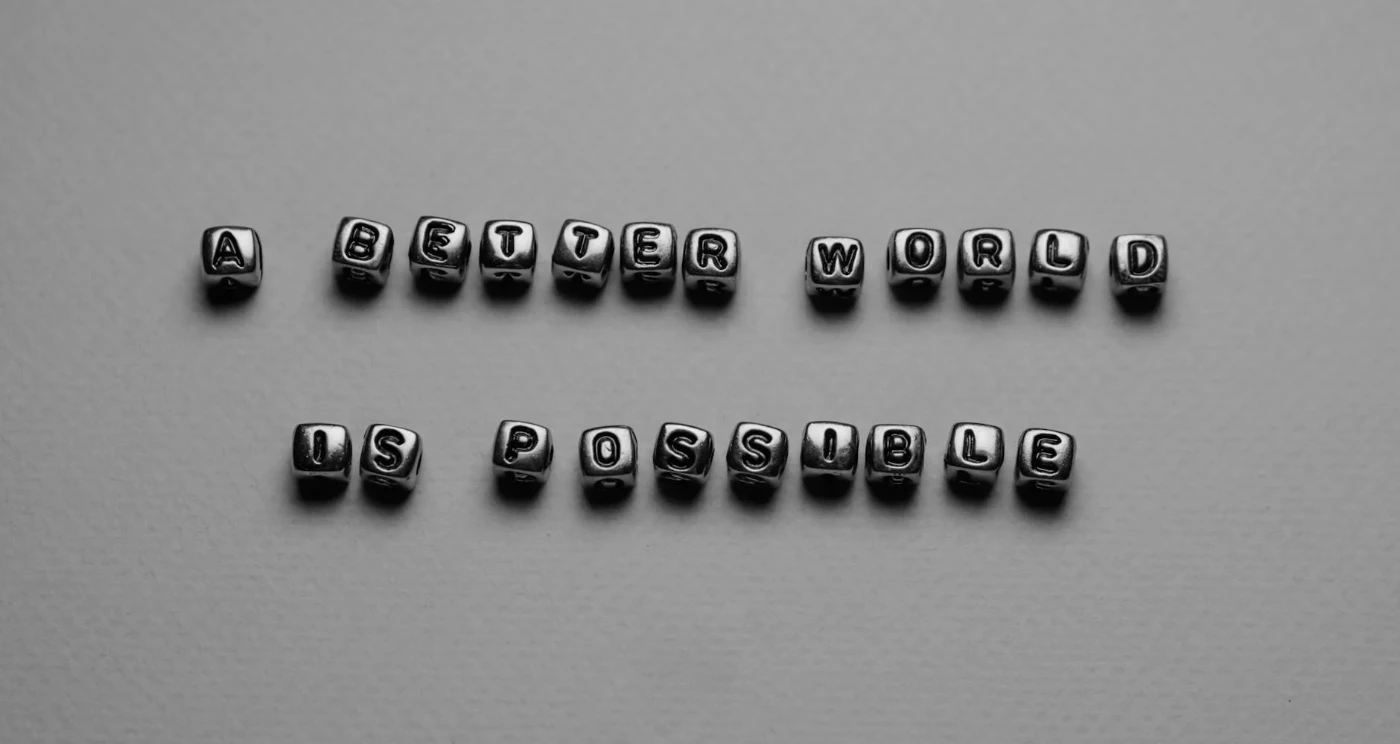
Kinetic Typography in Action
Kinetic typography animates text, infusing movement and life into what would otherwise be static content. This dynamic approach can make words dance, leap, and transform, capturing users’ attention and enhancing storytelling.
Consider some standout examples of kinetic typography that masterfully blend form and function:
- Interactive Landing Pages: Brands like Apple use kinetic typography to draw users in, highlighting key features dynamically as you scroll.
- Video Content: Effective in video marketing, it synchronizes text with dialogue or music, adding emphasis where needed and holding viewers’ attention.
- Narrative Web Stories: Websites like Airbnb have utilized kinetic text to create immersive narrative experiences that guide the user through a story with each scroll.
By incorporating kinetic typography, you’re not just displaying information—you’re crafting an experience. It’s like adding a soundtrack to a movie; it sets the tone, builds emotion, and engages your audience in unexpected ways.
Minimalistic and Clean Aesthetics
Minimalistic design continues to be a significant player in the world of custom website design. Known for its sleek and simple approach, it removes unnecessary elements while highlighting the essentials, making websites not only visually appealing but also highly functional. In 2024, minimalism remains at the forefront, pushing small businesses to embrace a “less is more” philosophy.
Simplicity in Design
Minimalistic web design transforms a cluttered digital space into an elegant and efficient experience. By eliminating superfluous details, you can create a more streamlined interface that enhances website performance.
- Improved Load Times: Simplifying web elements reduces the weight of web pages, leading to faster load times. This is crucial for retaining visitors and improving SEO rankings.
- Enhanced User Experience: Fewer distractions allow users to focus on important content, improving engagement and conversion rates.
- Easier Navigation: Clear and straightforward layouts help guide users naturally, reducing the effort needed to find information.
When your website is fast and easy to navigate, it’s like having a tidy, well-organized shop—customers are more likely to stay, browse, and purchase.
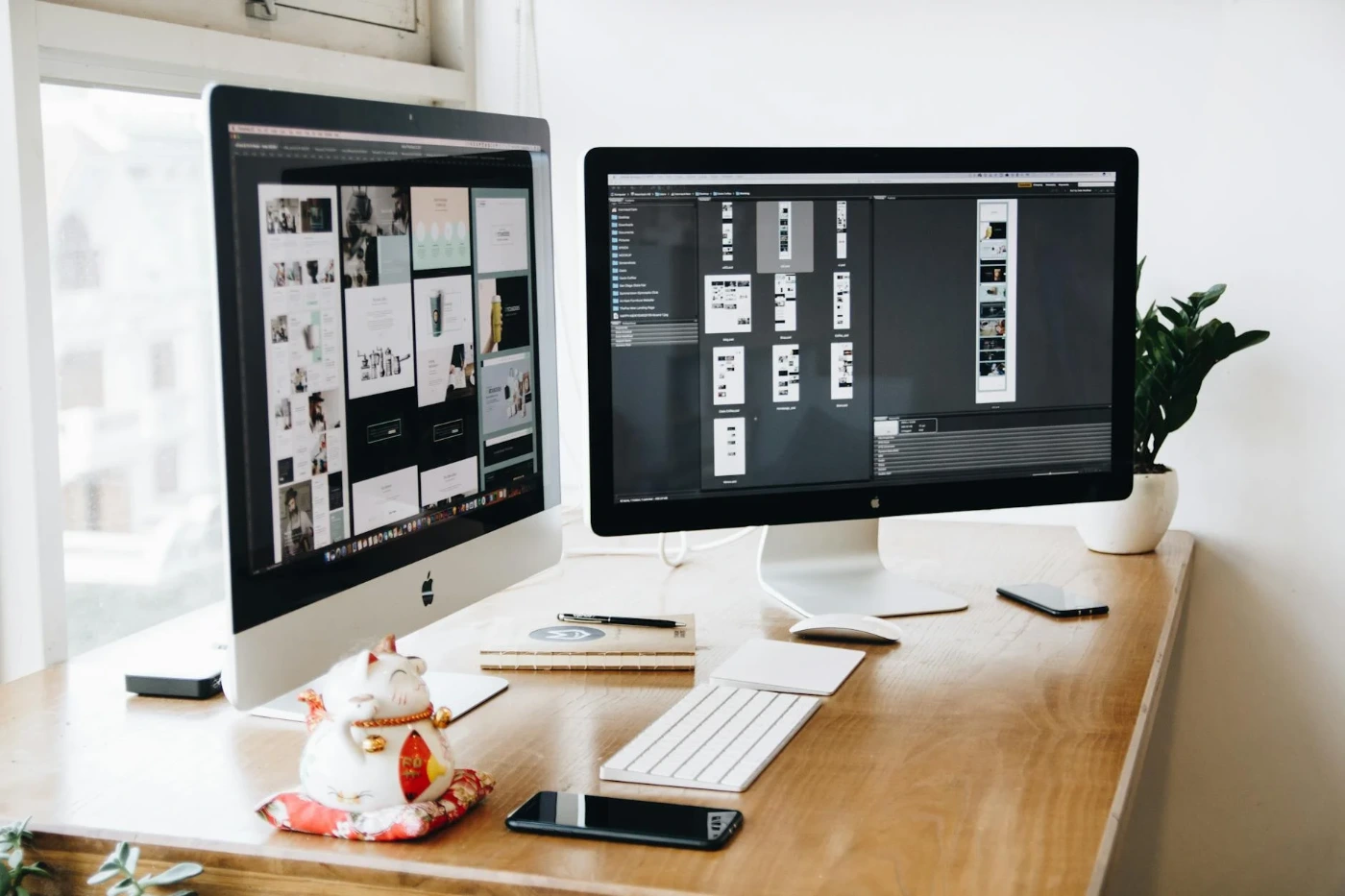
Use of White Space
White space, or negative space, is the unsung hero of minimalistic design. It provides breathing room for your content and plays a pivotal role in guiding user focus.
- Guides Attention: Strategically placed white space directs the eye to the most important elements on a page. It’s like a spotlight on stage—aids in emphasizing the main act.
- Improves Readability: Adequate spacing enhances text readability, reducing eye strain and keeping visitors engaged longer.
- Promotes Sophistication: A balance of white space contributes to a clean, professional look that reinforces brand credibility.
Think of white space as the pauses in a conversation—they give weight to your words, making what you say even more impactful. Making good use of it can transform the feel of your website, creating a serene and focused user journey.
Interactive and Engaging Elements
In today’s digital age, keeping your audience engaged is crucial for any website. Integrating interactive features can transform a simple visit into an immersive experience, increasing user retention and satisfaction. In this section, we’ll explore how gamification and visual storytelling techniques can enhance user interaction and understanding on your website.
Gamification in Web Design
Gamification is more than just adding points or badges; it’s about creating an engaging environment that encourages users to explore and interact. By incorporating game-like elements into your website, you can make the experience more rewarding and encourage users to stay longer.
- Progressive Challenges: Implementing mini-challenges or quizzes keeps users coming back for more.
- Reward Systems: Offering rewards for completing actions, like signing up or sharing content, can drive engagement.
- Leaderboards: Foster a sense of community and competition with leaderboards for interactive features like games or quizzes.
These elements leverage the human love for achievement and competition, making your site a place where users want to return.
Visual Storytelling Techniques
Visual storytelling transforms static content into a narrative journey. By using images, videos, and infographics, you can convey complex information in an easily digestible format.
- Sequential Images: Craft a story through a sequence of images that guide the user from one idea to the next.
- Infographics: Simplify data and statistics into graphics that are easy to understand at a glance.
- Video Content: Use videos to weave stories that resonate emotionally, creating a memorable experience.
Visual storytelling doesn’t just inform—it captivates. It turns visitors into participants in your story, making your content not only more engaging but also easier to remember.
Sustainable and Inclusive Design
In the dynamic field of web design, sustainability and inclusivity are becoming key areas of focus. As businesses navigate the digital space, the push for eco-friendly practices and accessible websites is not just a trend—it’s a responsibility. This commitment not only makes your website more appealing but also aligns with global values of inclusivity and environmental consciousness.
Green Web Design Practices
As concern for the environment grows, web designers are turning to sustainable practices to reduce their carbon footprint. Here are some eco-friendly approaches that are leading the way:
- Image Optimization: Reducing image sizes without compromising quality saves bandwidth and speeds up load times. This not only enhances user experience but also reduces energy consumption.
- Efficient Coding: Writing clean and efficient code results in faster, less resource-intensive websites that are easier on servers and the environment.
- Green Hosting Providers: Opting for hosting services that use renewable energy sources is a significant step toward a greener web presence. Companies like GreenGeeks are leading the way with eco-friendly data centers.
These practices reflect a commitment to a more sustainable future, where every click and scroll is designed to leave a lighter footprint on the planet.
Accessibility for All Users
Designing for inclusivity ensures that everyone, regardless of ability, can enjoy a seamless experience. Accessibility isn’t just a legal requirement—it’s a moral obligation that fosters equal access to information. Key aspects include:
- Proper Text Contrast: Ensuring sufficient contrast between text and background colors makes content more readable for users with visual impairments.
- Alt Text for Images: Providing descriptive alt text helps screen readers convey the meaning of images to visually impaired users, enriching their experience.
- Keyboard Navigation Support: Ensuring that all interactive elements are keyboard-accessible caters to users who rely on keyboards instead of mice for navigation.
Embracing accessibility in web design makes your website a welcoming space for all users. It’s about creating an internet that everyone can navigate easily, regardless of their physical capabilities. With a focus on inclusivity, you’re not just broadening your audience—you’re doing the right thing.
Conclusion
The future of custom website design is brimming with potential, driven by trends like AI personalization, responsive layouts, dynamic typography, and sustainable practices. These innovations reshape user experiences and offer new ways to connect with customers. Small business owners, embrace these trends to stay ahead of the curve and create sites that attract and engage.
Consider how these changes can benefit your business. Reflect on which trends align with your goals. Implementing these strategies can elevate your digital presence, making your website a powerful tool for growth.
Staying updated on design trends doesn’t just enhance your website; it strengthens your brand’s position in the digital landscape. Keep exploring, adapting, and listening to your audience’s needs. This proactive approach ensures your business thrives in an ever-evolving online world. If you have thoughts or questions, feel free to share them—your input is invaluable.
![How Custom Web Design Boosts Your Brand’s Identity [2026 Update]](https://assets.onthebrinkdesigns.com/images/2026/01/colorful-art-strips-angle.webp)